


Buy now, pay later with Klarna
THE FIBRES · Nº 02 OF 03
Cashmere.
A fibre measured in microns. An exceptional fibre.
The down of the cashmere goat, grown through the harshest winters of Mongolia. Combed by hand, in the spring moult.
On the steppes of Mongolia, winter can hold below minus thirty for weeks on end. To withstand it, the goat grows two coats: outside, long, coarse hair that shields it from the wind; inside, a down of extraordinary fineness that keeps it warm. That down is cashmere.
When spring comes, the herders comb it out by hand, in time with the moult, once the animal no longer needs it. A slow gesture, handed down from one generation to the next.
— Atelier notes · Extremadura, Spain

The fibre.
Of the fleece, only the down is kept; the outer hair is set aside. What remains is a fibre so fine it can barely be seen, able to give great warmth for very little weight. To the touch it is silken and enveloping, and with the years it does not deteriorate: it softens.
Part of our cashmere comes from the goats of Alashan, in Inner Mongolia, the most prized of all for its fineness and its whiteness.
Four things a cashmere coat does.
Warmth
Warmth without weight. The coat you forget you are wearing.
Handle
The fibre is fine enough to wear directly against the skin. In double-face, unlined, it is the first thing you notice.
Drape
Fluid, close to the body. Double-face gives it structure: it carries the shoulder and falls in a clean column.
Longevity
With the years it does not deteriorate: it softens.
02 — THE UNDYED CARD
The natural colour.
Natural undyed cashmere falls, conventionally into four colours.

W - 01
White
The most prized. The majority in Alashan.
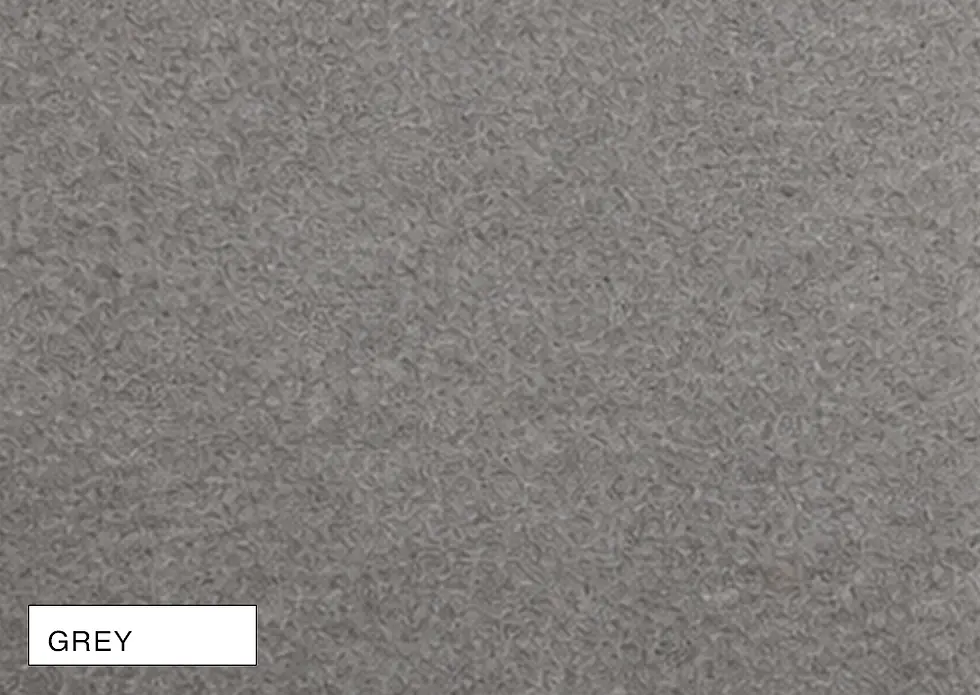
G -02
Grey
Natural, second most common.
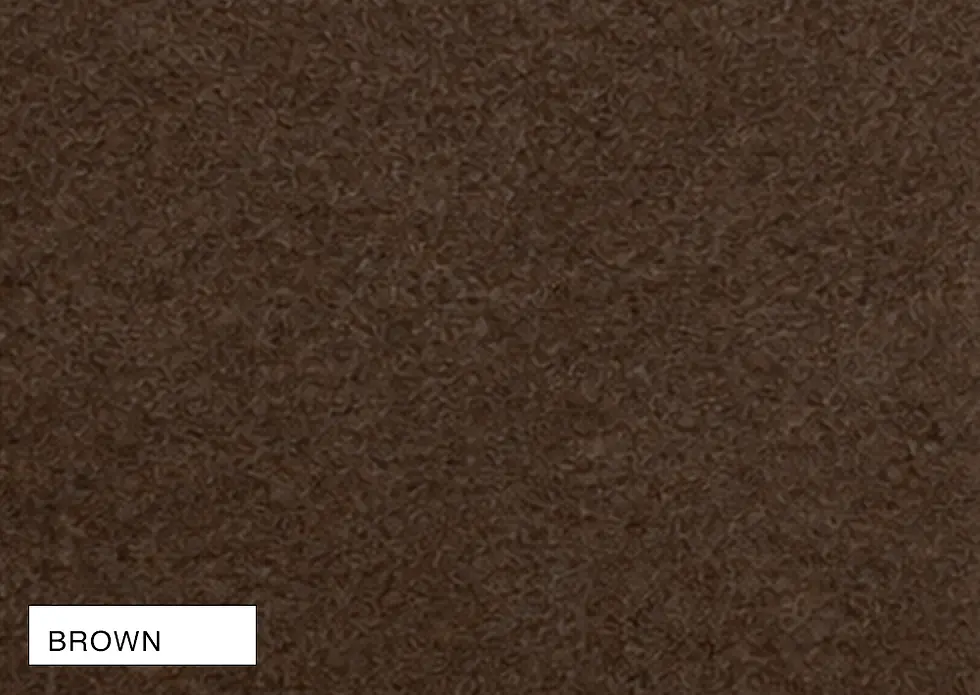
B - 06
Dark brown
Natural. Less common.

BK - 07
Black
Natural, rare.
Most prized when genuinely natural, undyed.
02 — A ESCALA
Catorce coma cinco micras.
Una micra es la milésima parte de un milímetro. Por debajo de dieciséis se considera fino. Las secciones de tresfibras, dibujadas a la misma escala — la del cashmere puede verse, apenas.
The finishes.
The same fibre can be finished in very different ways, and each changes the way the coat holds the light.

Shorn
The surface is sheared smooth and close. Light slides across it, giving a deep, silken lustre that moves with the coat.

Zibeline
The pile is raised with dried teasel heads, a gesture the trade has repeated for centuries. Where a metal card tears, the teasel combs: its barbs yield before the fibre does. The pile is then laid in a single direction, in soft waves.
The result is a sheen that travels with every movement and a handle that recalls fur. Hence the name: zibeline is French for sable. Cashmere at its most luminous.
70 micras
Nº 01
Cabello humano
Diametro medio, fibra adulta.
18 micras
Nº 02
Lana Merino
Grado "extrafina". Por debajo se considera de tacto piel.
14,5 micras
Nº 03
Cashmere
Solo el duvet interior. Por debajo de 16 micras se considera fino.


